
Tsunami Compressed Air Solutions: Dryers, Filtration, and Air Treatment Systems for Reliable Compressed Air
Posted by IAP on 03/12/2026
Compressed air is often referred to as the fourth utility in industrial operations. It powers pneumatic tools, controls automated processes, and supports a wide range of production activities. However, compressed air leaving the compressor is rarely clean or dry. It typically contains moisture, oil aerosols, particulates, and condensate, all of which can negatively impact downstream equipment and processes.
Without proper treatment, contaminated compressed air can lead to corrosion in piping, premature wear in pneumatic tools, inconsistent product quality, and increased maintenance costs. That is why many facilities rely on air treatment equipment to remove contaminants and maintain stable air quality throughout the system.
Tsunami Compressed Air Solutions focuses specifically on this critical part of the compressed air system. For decades, the company has developed equipment designed to remove moisture, filter contaminants, and manage condensate so industrial air systems can operate more reliably.
What Tsunami Compressed Air Solutions Manufactures
Tsunami Compressed Air Solutions specializes in equipment used to clean, dry, and protect compressed air systems.
Their product portfolio covers several key categories within compressed air treatment, including:
- Compressed air dryers
- Air filtration systems
- Water separators
- Aftercoolers
- Automatic drains
- Breathing air systems
- Regulators, hoses, and other compressed air accessories
Manufactured in the United States and backed by decades of air treatment experience, Tsunami products are designed with a focus on simple, reliable system design. These systems are intended to reduce the common problems associated with poor compressed air quality, helping facilities maintain consistent performance across pneumatic equipment and processes.
Air Dryers: Removing Moisture from the Air System
Moisture is one of the most common contaminants found in compressed air systems. When air is compressed, its temperature rises and the concentration of water vapor increases. As the air cools downstream, that vapor condenses into liquid water inside the piping system.
If this moisture is not removed, it can cause corrosion, damage sensitive instrumentation, and introduce water into production processes. Compressed air dryers are used to control this problem by removing water vapor before it reaches critical equipment.
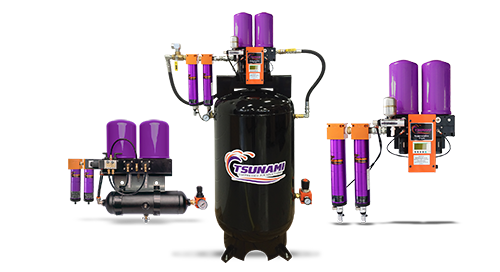
Desiccant Air Dryers
Desiccant dryers remove moisture by passing compressed air through a material that adsorbs water vapor. These systems are typically used when very low dew points are required, such as in applications involving instrumentation, coatings, or precision pneumatic tools.
Desiccant dryers are often chosen for environments where consistent, dry air is critical to maintaining product quality or protecting sensitive equipment.
Regenerative Desiccant Dryers
Regenerative dryers use twin drying towers filled with desiccant material. While one tower dries the incoming compressed air, the other tower regenerates by releasing the moisture it has captured. The towers alternate continuously, allowing the system to provide dry air without interruption.
These systems are commonly used in facilities that require continuous operation and consistent dew point control.
Refrigerated Air Dryers
Refrigerated dryers remove moisture by cooling compressed air, which causes water vapor to condense into liquid that can then be separated and drained. This type of dryer is commonly used in general industrial applications where moderate dew point control is sufficient.
Refrigerated dryers are often paired with filtration and separation equipment to improve overall system performance.
Point-of-Use Dryers
In some cases, only specific tools or processes require extremely dry air. Point-of-use dryers treat compressed air locally rather than drying the entire system. Smaller dryers, such as compact desiccant units, are commonly used in painting, coating, or instrumentation applications where localized air quality is important.
Cooling and Moisture Separation: Aftercoolers and Water Separators
Before compressed air reaches filters or dryers, the system often benefits from cooling and bulk moisture removal. Two pieces of equipment frequently used in this stage are aftercoolers and water separators.
Aftercoolers
An aftercooler lowers the temperature of compressed air immediately after it leaves the compressor. Cooling the air causes water vapor to condense, allowing liquid water to be removed early in the treatment process.
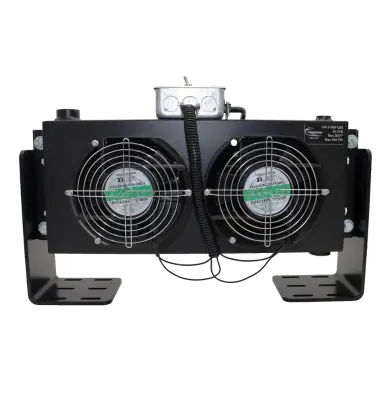
By reducing the air temperature and condensing moisture, aftercoolers help:
- Increase moisture removal efficiency
- Reduce the load on downstream filters and dryers
- Improve overall system reliability
Tsunami manufactures an industrial aftercooler designed for demanding applications, particularly mobile or spray foam operations. When paired with a water separator and a regenerative dryer, an aftercooler can significantly improve compressed air treatment performance.
Water Separators
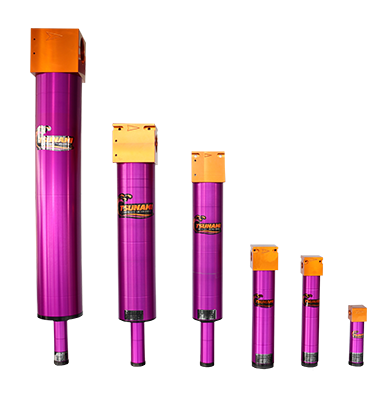
Water separators remove bulk liquid water from the compressed air stream. These devices are typically installed upstream of filters and dryers to prevent excessive moisture from reaching downstream equipment.
Removing water early in the treatment process helps protect filtration systems and extends the life of other air treatment components.
Compressed Air Filtration Systems
Even after moisture is removed, compressed air may still contain oil aerosols, particulates, and other contaminants. Filtration systems are used to remove these substances and improve overall air quality.
Filtration is often implemented in multiple stages.
Two-Stage Filtration Systems
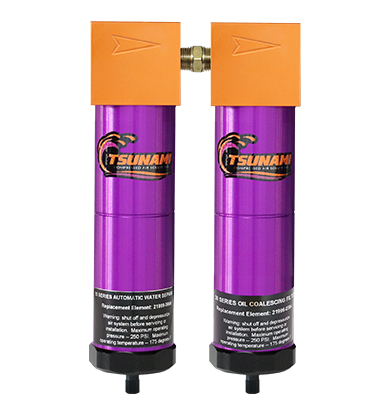
Two-stage filtration systems typically remove:
- Bulk water and liquid contamination
- Oil aerosols
- Solid particulate matter
These systems provide clean air for many general industrial applications.
Three-Stage Filtration Systems
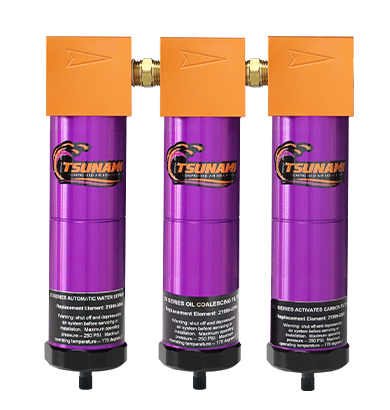
Three-stage filtration systems add activated carbon filtration to the treatment process. Activated carbon removes additional contaminants such as odors, hydrocarbons, and volatile organic compounds (VOCs).
This additional stage is often used in applications where higher air purity is required, including painting operations or other processes where contaminants can affect product quality.
Condensate Management: Drains and Condensate Removal
As moisture condenses within a compressed air system, the resulting condensate must be removed. Condensate commonly accumulates in receivers, separators, filters, and piping.
If it is not drained properly, condensate can create several problems, including:
- Reduced filtration effectiveness
- Increased contamination throughout the system
- Premature wear on equipment
- Potential downtime caused by moisture buildup
Automatic drain systems are designed to remove condensate without manual intervention.
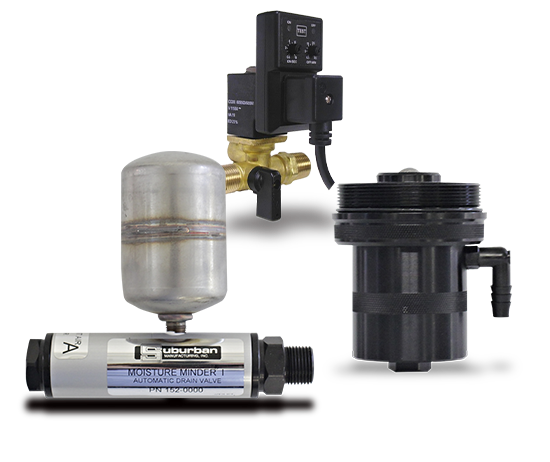
Common Drain Types
Facilities may use several types of drains depending on system requirements, including:
- Timer-controlled drains
- Pneumatic drains
- Electronic drains
These devices help ensure condensate is removed consistently so filtration and drying equipment can operate as intended.
Breathing Air Systems for Specialized Applications
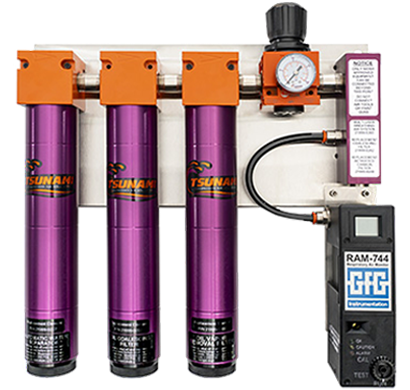
Some industrial environments require Grade D breathing air, particularly when workers use supplied-air respirators (SAR). These systems are commonly found in painting operations, hazardous environments, and confined spaces.
Breathing air systems combine multiple treatment stages with monitoring equipment to ensure the air supplied to respirators meets required safety standards.
Tsunami breathing air systems typically incorporate multi-stage filtration along with continuous carbon monoxide monitoring, helping maintain safe air quality for workers in these environments.
Flexible Air Treatment System Design
Compressed air treatment systems often need to be adapted to the specific needs of a facility. Factors such as space constraints, air demand, and required air quality levels influence how treatment equipment is configured.
Tsunami air treatment equipment can be configured in several ways, including:
- Wall-mounted systems
- Tank-mounted systems
- Standalone installations
- Multiple controller and timer options
- Interchangeable filters and drying towers
This flexibility allows facilities to design air treatment solutions that match the requirements of their compressed air systems and production environments.
Tsunami Products Available Through Industrial Air Power
IAP offers a wide selection of Tsunami compressed air treatment equipment and replacement components. The catalog includes hundreds of Tsunami products supporting air system maintenance and upgrades.
Available equipment and components include:
- Air dryers
- Filtration systems
- Water separators
- Automatic drains
- Replacement parts and accessories
With a large selection of system components and maintenance parts available, facilities can source equipment needed to maintain or improve compressed air treatment systems.
Supporting Reliable Compressed Air Systems
Compressed air systems operate most efficiently when air quality is properly controlled. Removing moisture, filtering contaminants, and managing condensate are essential steps in protecting equipment and maintaining consistent system performance.
Effective air treatment strategies often include a combination of:
- Cooling and moisture separation
- Filtration stages
- Air drying technologies
- Condensate management systems
Manufacturers such as Tsunami Compressed Air Solutions focus on these critical system components, helping industrial facilities maintain cleaner, more reliable compressed air for a wide range of operations.