



Description
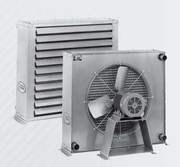
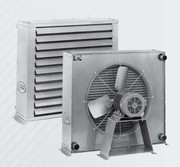
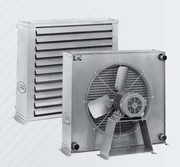
Thermal Transfer AOVH-30 Air-Cooled Hydraulic Oil Cooler
The Thermal Transfer AOVH-30 is an industrial air-cooled oil cooler designed to remove excess heat from hydraulic, lubrication, gear-drive, and transmission circuits. This model is positioned for larger industrial hydraulic and lubrication systems operating under continuous loads. Its copper-tube and aluminum-fin core uses steel turbulators to improve heat transfer while helping control oil-side pressure drop.
Choose the AOVH-30 when the system needs approximately 4,095 CFM of fan airflow in the standard motorized configuration and the selected performance curve satisfies the required heat load, oil flow, approach temperature, and allowable pressure drop. The catalog part number is 73826-NM; confirm the exact motor, connection, pass, and bypass configuration before ordering.
Why Choose the AOVH-30?
- Model-specific airflow of approximately 4,095 CFM in the standard fan configuration.
- High-performance air-to-oil cooling for fluid power systems, gear drives, injection molding machines, machine tools, torque converters, and hydraulic presses.
- Adjustable discharge louvers help direct heated air away from nearby equipment and work areas.
- Available in one-pass or two-pass arrangements to support different oil-flow and pressure-drop requirements.
- AOVHR configurations add an internal relief bypass for cold-start or high-viscosity protection.
Verified Technical Information
| Model | AOVH-30 |
| Catalog MPN | 73826-NM |
| Operating Pressure | 300 PSI |
| Maximum Operating Temperature | 400°F |
| Approximate Fan Airflow | 4,095 CFM |
| Typical Motor Power | 1 HP |
| Published Sound Level | 84 dB(A) at 7 ft. |
| Published Net Weight | 190 lb. |
| Core Construction | Copper tubes, aluminum fins, steel turbulators |
| Connection Options | NPT, SAE, or metric, depending on ordered configuration |
Construction and Available Configurations
The AOVH series uses copper tubes, aluminum fins, steel turbulators, steel manifolds and connections, an aluminum fan blade with steel hub, a zinc-plated steel fan guard, and a baked-enamel steel cabinet. Options shown in the manufacturer literature include internal SAE straight threads, SAE or metric connections, relief bypass, and corrosion-resistant marine coating.
Installation and Maintenance Guidance
Install the AOVH-30 where the fan has a clear supply of ambient air and the heated discharge will not recirculate through the core. Support the oil lines independently, use flexible connections where vibration is present, and follow the one-pass or two-pass piping diagram for the ordered unit. Keep the fin surface free of dirt and debris, verify fan rotation and airflow, inspect for leaks, and maintain the motor bearings according to the motor manufacturer’s duty and environment recommendations.
How to Confirm the AOVH-30 Is the Right Size
Determine the system heat load, desired oil temperature, maximum ambient-air temperature, oil flow, oil viscosity, and acceptable pressure drop. The manufacturer notes that coolers are often initially estimated at 25% to 50% of input nameplate horsepower, but final selection should be checked against the published performance curves and corrected for the actual approach temperature and oil viscosity. Case-drain applications require especially careful pressure-drop review.
Frequently Asked Questions About the Thermal Transfer AOVH-30
What is the AOVH-30 used for?
The AOVH-30 removes heat from hydraulic oil, lubrication oil, gear-drive oil, and similar industrial fluids. It is commonly applied where elevated oil temperature can reduce viscosity, accelerate oxidation, damage seals, or shorten pump and component life.
What is the difference between AOVH-30 and an AOVHR-30 configuration?
The AOVH-30 designation identifies the standard AOVH cooler. An AOVHR-30 configuration includes a relief bypass. The bypass can help protect the core and system during cold starts or other conditions that temporarily create high oil-side pressure drop.
Can this cooler be ordered for one-pass or two-pass flow?
Yes. The AOVH family supports one-pass and two-pass arrangements. A two-pass configuration may improve heat transfer at lower oil flow, but it also changes pressure drop, so the selection must be checked against the correct performance curve.
What information is needed before ordering?
Confirm the heat load, oil flow, oil type and viscosity, desired oil temperature, ambient temperature, available electrical service, required connection type, number of passes, and whether a relief bypass or marine coating is needed.
How should the core be maintained?
Inspect and clean the air side regularly so the fins remain open to airflow. Confirm that the fan operates in the correct direction, keep guards and louvers unobstructed, inspect piping and connections for leaks, and avoid damaging the fins during cleaning.